Transformation sequences are an anime staple, but while many of the best anime transformations look awesome, they don’t always make much sense. Many anime transformations feel like they’re only there because they look cool, and anime never does much to explain it.
In the moment, anime transformations like Luffy’s Gear 5 look amazing, but they feel like they’re there for spectacle more than anything else. While these transformations might not work from a storytelling perspective, they’re still a blast to watch.
One Piece Changed the Rules With Luffy’s Gear 5
Gear 5 from One Piece is among the most inventive transformations anime has produced in years. It’s funny, weird, visually wild, and completely committed to Luffy’s cartoon logic in a way that makes the entire form feel alive. However, the Nika reveal attached to Gear 5 changes the way viewers are supposed to understand Luffy’s Devil Fruit very late in the story.
For years, fans believed his power was a simple but brilliantly used rubber ability. However, Gear 5 reframes that whole foundation in a way that feels exciting, but also narratively slippery. As a vehicle for spectacle, this is a fantastic power-up. However, Gear 5 is more impressive the less viewers dwell on how much retroactive weight the story suddenly asks it to carry.
Yusuke’s Mazoku Form in Yu Yu Hakusho Feels Contrived
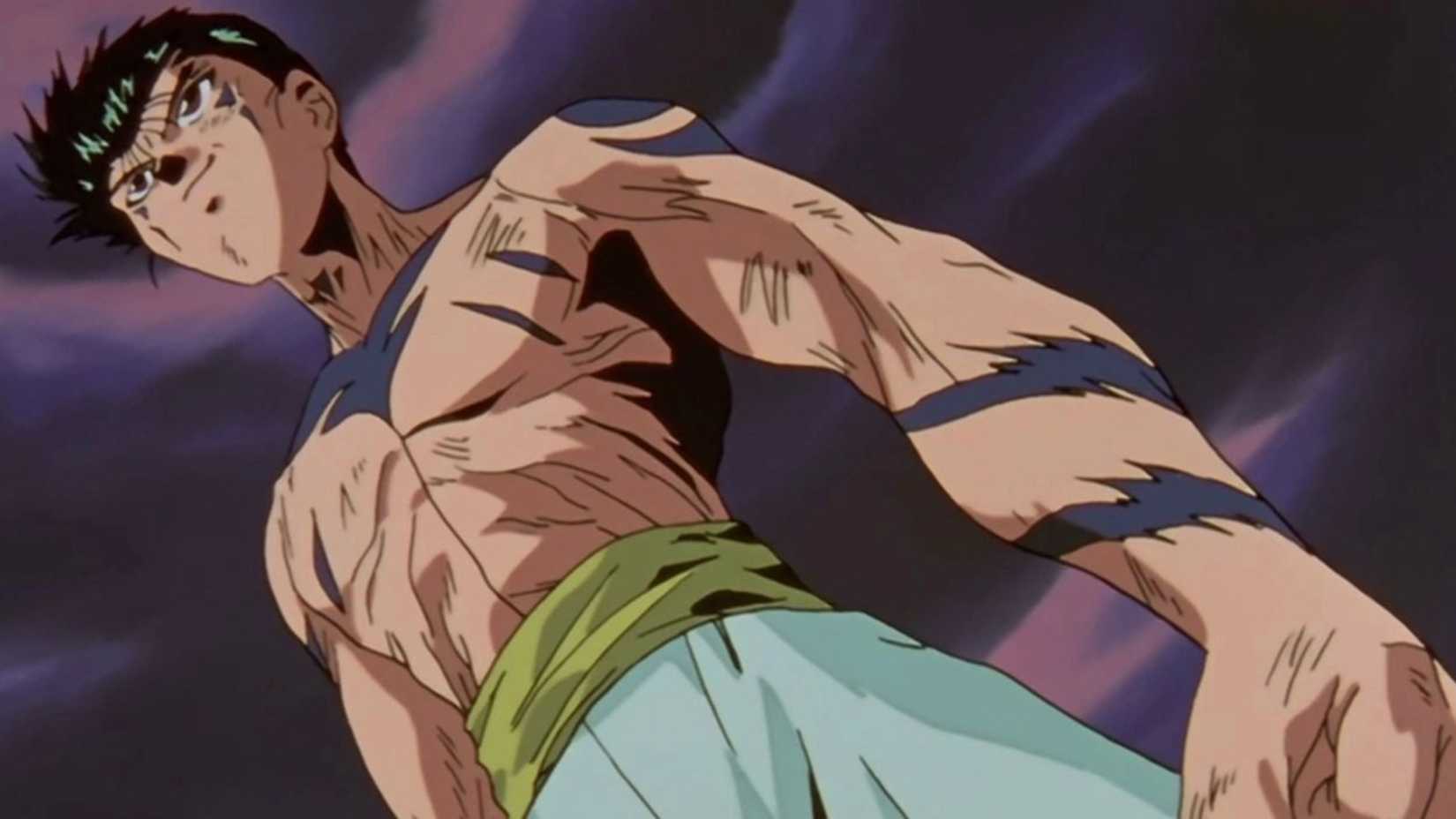
Yusuke’s Mazoku awakening is one of those transformations that absolutely lands in the moment. He looks more dangerous, the tone instantly shifts, and the form gives the final stretch of Yu Yu Hakusho a huge jolt of energy. On pure hype alone, the transformation works. The problem is that the reveal attached to the transformation feels as if it came from another version of the story.
The idea that Yusuke has ancient demon ancestry sounds important enough to shape the series much earlier. However, the reveal comes very late in the narrative. The transformation feels like a convenient inheritance twist. It’s cool, but it never quite stops feeling like the writers pulled a secret bloodline card because they ran out of cleaner ways to power him up.
Natsu’s Lightning Fire Dragon Mode in Fairy Tail Is Too Convenient
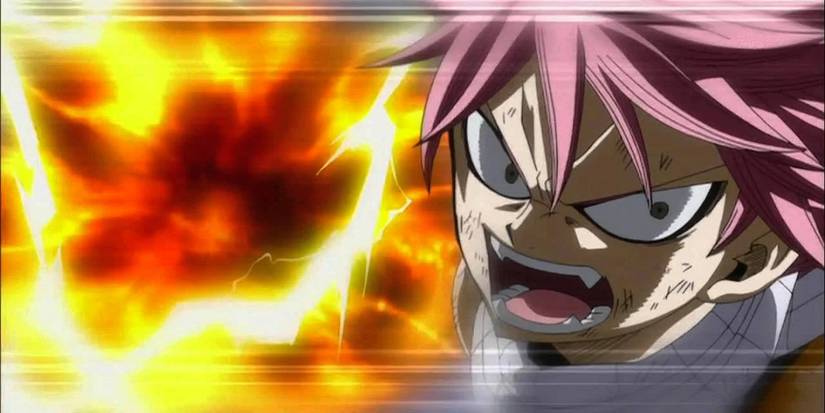
Many Fairy Tail power-ups live or die entirely on energy, and Lightning Fire Dragon Mode definitely has energy. The form looks great, suits Natsu’s aggressive style, and gives him a flashy way to keep up with stronger opponents. Visually, it’s easy to see why fans remember the transformation so fondly. Narratively, though, this plays into one of Fairy Tail’s most frustrating habits.
The series loves giving Natsu new bursts of power in ways that feel like sudden access to whatever he needs right then. Combining fire and lightning sounds cool, but the logic behind how easily Natsu absorbs and weaponizes outside energy often feels too loose to be satisfying. Instead of being earned, Fairy Tail once again decided that Natsu suddenly getting cool was explanation enough.
Yuichiro’s Seraph Form Is Stuck in a Very Messy Story
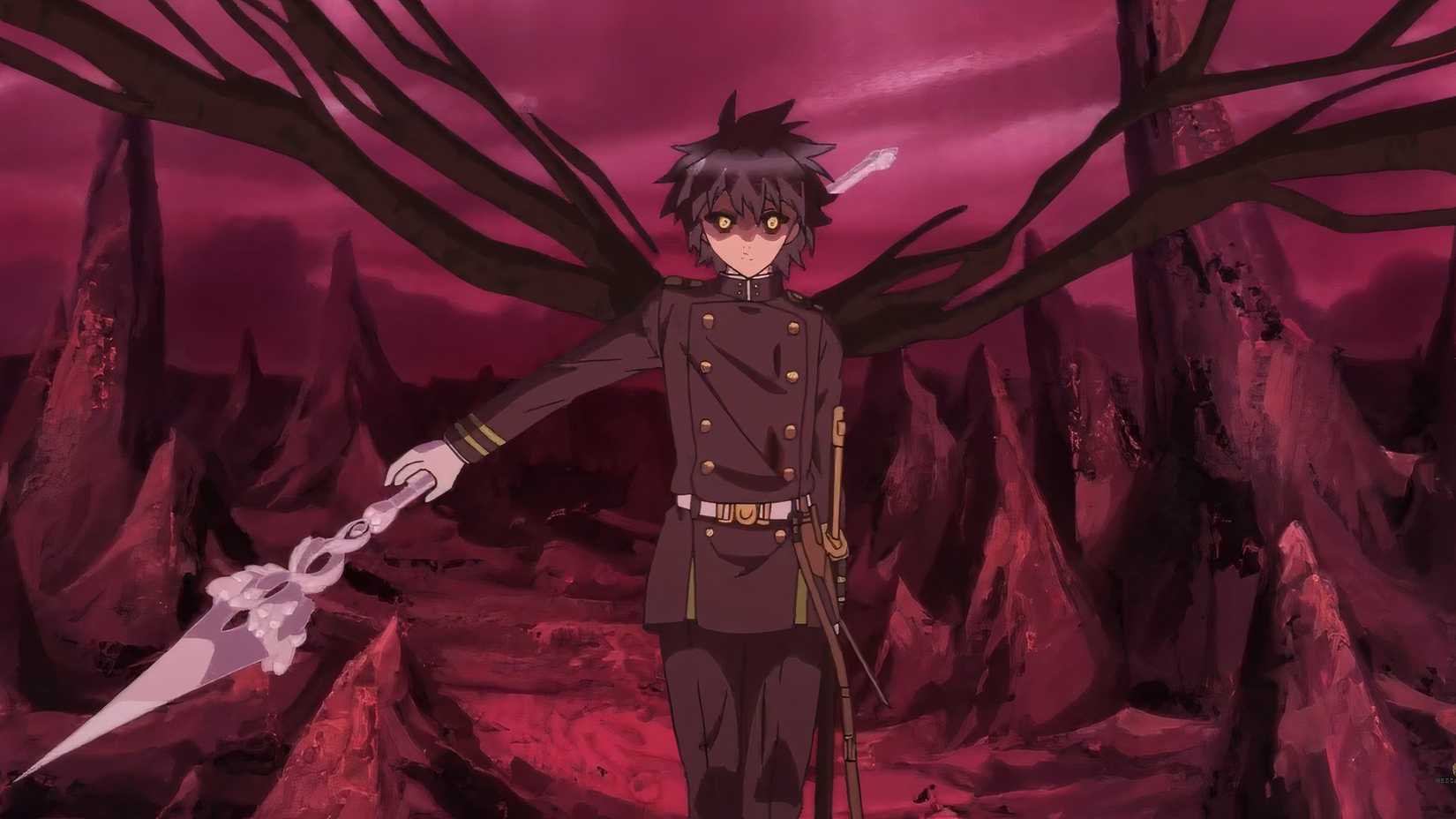
Yuichiro’s Seraph transformations in Seraph of the End are visually intense in exactly the way a dark fantasy apocalypse series wants them to be. He looks unstable, frightening, and barely human, which fits the anime’s whole atmosphere perfectly. There is never really a problem with the form’s visual impact. The problem is everything the story expects viewers to accept around his transformations.
The story piles on so much lore involving cursed gear, demonic possession, human experimentation, seraphs, and end-of-the-world prophecy that the actual rules behind Yuichiro’s transformations become impossible to pin down. The form is supposed to mean a lot, but the narrative shifts so much that it stops feeling grounded in anything stable. There are barely any foundations for his transformations.
Attack On Titan Doesn’t Really Explain Eren’s Final Founding Titan Form
Eren’s final skeletal Founding Titan form is one of the most disturbing images in all of Attack on Titan. It’s grotesque and deeply memorable. The form perfectly communicates that Eren has become something vast, broken, and almost impossible to recognize. What makes this tricky is when the show gets to the full truth behind the Founder, Ymir, the Paths, and the Titan inheritance.
The more secrets are revealed, the more complicated the logic behind the transformation becomes. Attack on Titan still delivers the emotional effects, but the exact reasons why Eren’s final form looks and functions the way it does can feel more mystical than precise. That is part of its power aesthetically, but that also means the transformation only lands hard as an unforgettable visual image.
Kaneki’s Dragon Form in Tokyo Ghoul:re Feels Too Extreme
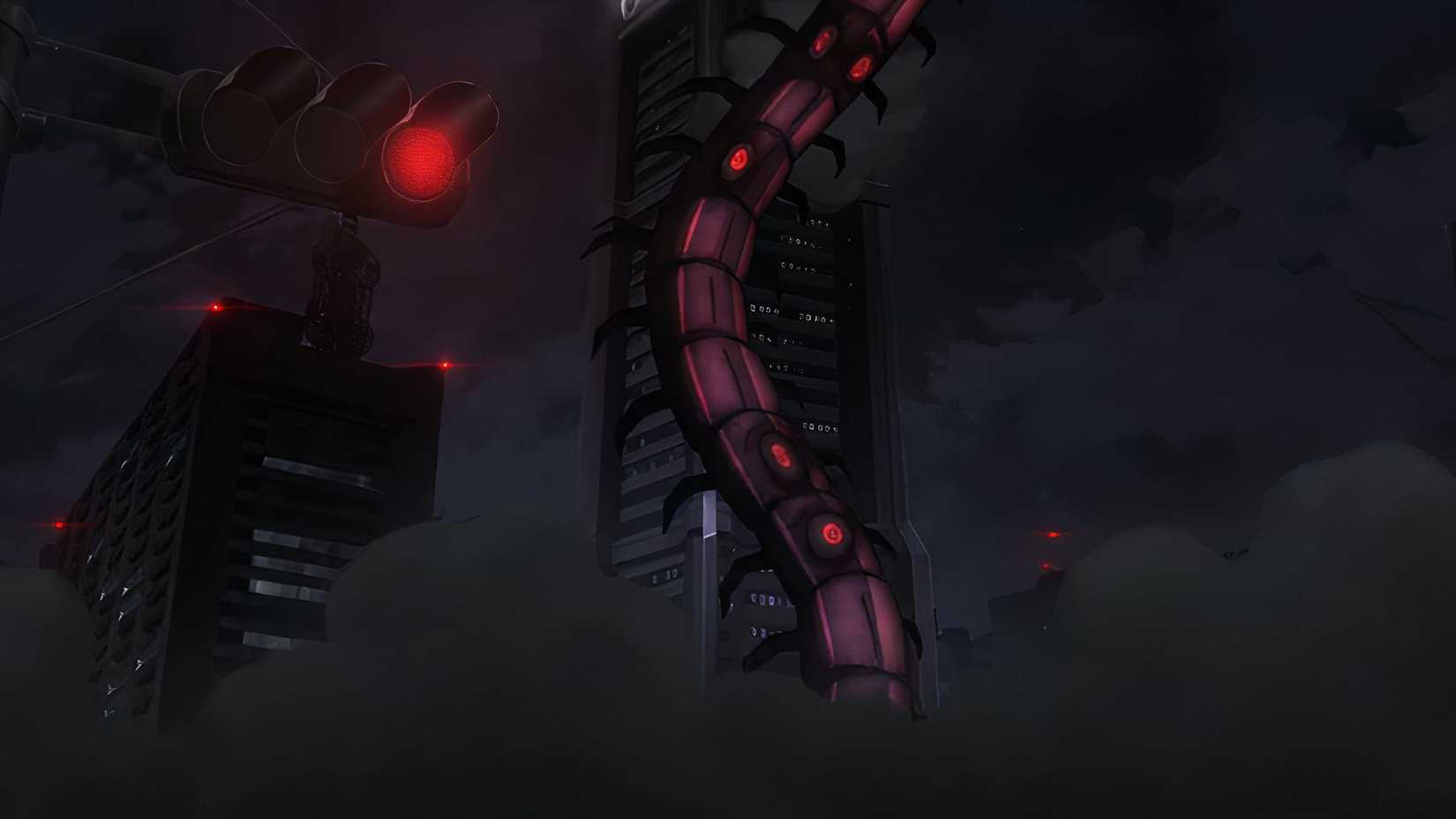
Dragon is one of the most grotesque and unforgettable transformations in modern anime. It’s huge and horrifying. On a visual scale, the transformation absolutely works. It turns Kaneki into something so monstrous that the scale of the story changes with him. The issue is that Tokyo Ghoul:re is already operating in a pretty unstable place by the time Dragon happens.
The series juggles body horror, biology, symbolism, and emotional collapse all at once, which is a bit too much and makes the transformation lose any meaning. Kaneki’s breakdown makes emotional sense in broad terms, but Dragon itself is so extreme that it almost overwhelms the logic needed to make the form feel fully earned.